Many people across the United Kingdom ask the very same question: can I get dental implants on the NHS? It is a fair and important question, particularly when you consider how life-changing a full set of healthy teeth can be. The honest answer is — yes, in some circumstances, NHS dental implants are possible, but the eligibility criteria are quite specific. Let us break it all down clearly, so you know exactly where you stand.
Understanding Dental Implants and the NHS
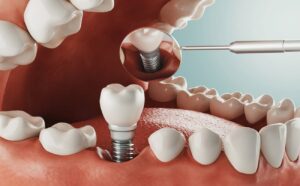
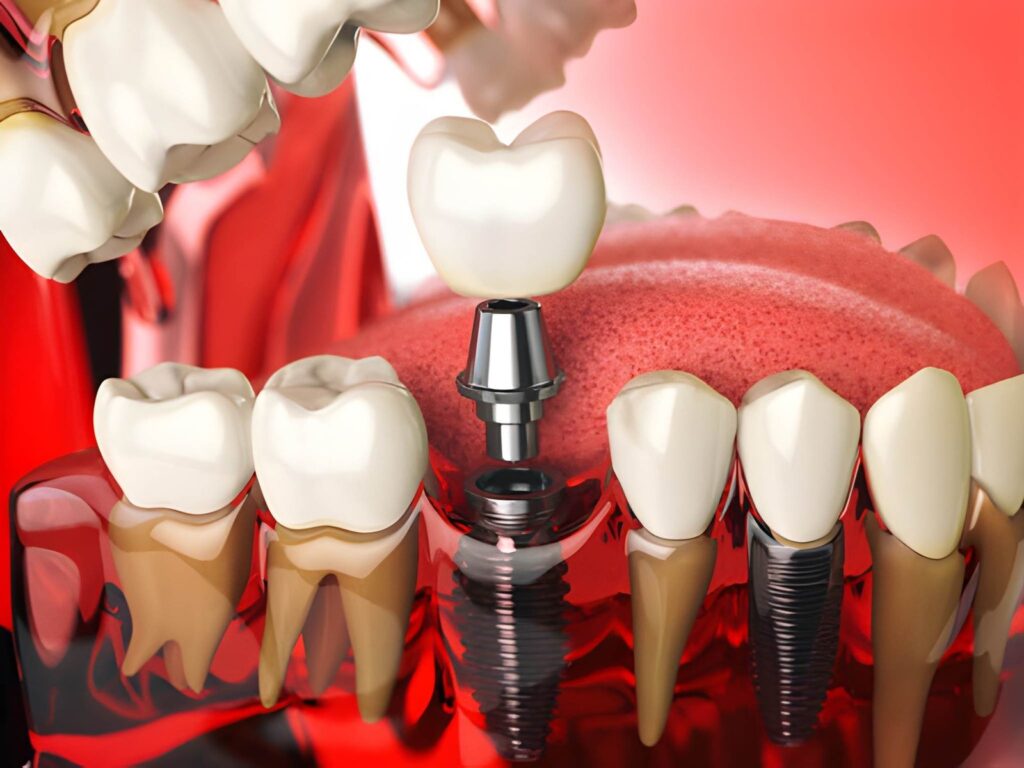
Before we get into the finer details, it is worth understanding what dental implants actually are. A dental implant is a small titanium screw that is surgically placed into your jawbone, acting as an artificial tooth root. Once in place, a crown or bridge is fixed on top, giving you a natural-looking, fully functional replacement tooth. They are widely regarded as the gold standard solution for missing teeth.
Now, the NHS does cover a broad range of dental treatments, but dental implants sit in a more complicated category. The NHS focuses primarily on clinical necessity rather than cosmetic outcomes. So, if you are wondering how to get dental implants on the NHS, the key question the NHS will ask is: do you medically need them?
Who Is Eligible for NHS-Funded Dental Implants?
Getting NHS-funded dental implants is not straightforward, but it is not impossible either. The NHS will consider funding treatment when there is a clear and demonstrable medical need. Here are the most common scenarios where you may qualify:
Tooth loss due to cancer treatment or serious injury.
If you have lost teeth as a direct result of cancer treatment, radiotherapy, or a significant accident, the NHS may fund dental implants as part of your rehabilitation. In these cases, implants are not considered cosmetic — they are considered medically essential.
Inability to tolerate dentures.
Some patients simply cannot wear traditional dentures due to medical conditions, severe bone loss, or other physiological reasons. If conventional dentures are genuinely not a viable option for you, NHS dental implants may be covered, as they would be deemed clinically necessary.
Congenital tooth absence.
If you were born with missing teeth due to a genetic or developmental condition — a situation known as hypodontia or anodontia — the NHS might provide support. Free dental implants on the NHS for congenital conditions are not guaranteed, but they are among the most likely approved cases.
If none of these apply to you, it is unlikely that dental implants NHS coverage will be available. However, it is always worth discussing your circumstances with your dentist, as each case is assessed individually.
How to Apply for NHS Dental Implants
If you believe you meet the eligibility criteria and want to explore how to get dental implants on the NHS, the process begins with your regular NHS dentist. Here is a straightforward overview of the steps involved:
Speak to your dentist first.
Book an appointment and explain your situation in full. Your dentist will assess whether your case has medical grounds for a referral.
Specialist referral.
If your dentist agrees there is a case, they will refer you to a specialist — typically a consultant in restorative dentistry or oral surgery — for a more thorough evaluation.
Assessment and approval.
The specialist will determine whether NHS-funded dental implants are clinically justified. This process can take time, so patience is important.
Treatment planning.
Once approved, your treatment plan will be drawn up and you will be placed on the waiting list for the procedure.
What If I Do Not Qualify for NHS Dental Implants?
If the NHS route is not available to you, do not be disheartened — private dental care offers an excellent alternative. Many private clinics provide flexible payment plans and finance options, making treatment far more manageable than it might initially appear.
Private treatment also typically offers shorter waiting times, a wider choice of implant systems, and more personalised care. When weighing up NHS dental implants versus private, consider not just the financial side but the overall value — including your time, comfort, and clinical outcomes.
Some clinics also offer free consultations, which is a sensible first step if you want to explore your options without any financial commitment.
Are Dental Implants Worth It?
Absolutely. Whether you access them through the NHS or privately, dental implants are a long-term investment in your health, confidence, and quality of life. With proper care and regular check-ups, implants can last a lifetime — far outlasting bridges or dentures. They restore the ability to eat, speak, and smile naturally, and they help preserve the jawbone, which begins to deteriorate after tooth loss.
Final Thoughts
Understanding whether the NHS will pay for your dental implants requires an honest conversation with your dentist and, in some cases, a specialist referral. If you qualify, NHS treatment is far more accessible than many people realise. If you do not, private finance options make treatment achievable for most patients.
The most important step is to start the conversation. Speak to a dental professional, explain your circumstances, and find out which route is right for you. A healthy, confident smile is entirely within reach.
Frequently Asked Questions
Can NHS cover the cost of dental implants?
The NHS may cover dental implants for cases deemed medically necessary. Trauma or medical treatments can cause severe conditions. They may also lead to difficulty with dentures or significant tooth loss.
Who is eligible for NHS-funded dental implants?
Only individuals with specific medical needs qualify for NHS-funded dental implants. Some needs are being unable to use dentures. Others include certain congenital conditions or significant tooth loss from disease or injury.
How do I apply for NHS dental implant funding?
Start by discussing your situation with your NHS dentist. If they think you meet the criteria, they will refer you to a specialist for evaluation.
What’s the difference between NHS and private dental implants?
NHS dental implants are for medical need and have limited availability. Private dental implants provide flexibility, faster treatment, and are open to all.
Are dental implants expensive?
Dental implants cost varies widely. Private treatment is pricier. However, many private clinics offer financing options to make the process more affordable.
How long do dental implants last?
With proper care and maintenance, dental implants can last a lifetime. Dental implants succeed with good oral hygiene and regular check-ups.
Can I get dental implants if I smoke?
Smoking lowers dental implant success rates. It often disqualifies NHS-funded implants. Private clinics may still perform the procedure. They advise quitting smoking to improve outcomes.
What are the alternatives to dental implants?
Alternatives to dental implants include dentures and bridges. More affordable options may lack long-term benefits or implant functionality.