The Long-Term Benefits of Dental Implants
Dental implants have rapidly become the gold standard in replacing missing teeth — and for good reason. Unlike dentures or bridges, implants offer a durable, natural-looking solution that closely mimics the functionality of your real teeth. In this guide, we explore the key advantages, the procedure itself, and everything you need to know before making your decision.
Why Choose Dental Implants?
Dental implants offer a long-term investment in your oral health and aesthetic confidence. Here’s why many patients prefer them:
- Permanent solution: When properly maintained, implants can last a lifetime.
- Natural appearance: They blend seamlessly with your existing teeth.
- No impact on surrounding teeth: Unlike bridges, implants don’t rely on adjacent teeth for support.
Enhanced Functionality
Implants restore full chewing power, allowing you to enjoy all your favourite foods without restriction. Since they are securely anchored in your jaw, there is no movement or shifting, which can occur with dentures.
Aesthetic Improvement
Missing teeth can affect not only your smile but also the shape of your face. Dental implants support the facial structure, preventing a sunken appearance often caused by tooth loss. They also increase self-confidence, enabling you to speak and smile freely.
Long-Term Durability and Reliability
Dental implants are made from biocompatible titanium and are resistant to decay. With proper oral hygiene and routine dental check-ups, they can easily last for decades. Their stability and predictability make them a trusted option for both patients and clinicians.
Preservation of Surrounding Teeth
Unlike traditional bridges, implants don’t require the alteration of neighbouring healthy teeth. Preserving more of your natural tooth structure often leads to better long-term oral health outcomes.
Preventing Bone Loss and Protecting Bone Integrity
When a tooth is lost, the jawbone beneath it begins to deteriorate over time—a process called bone resorption. Dental implants stimulate the jawbone, much like natural teeth, helping to maintain its density and shape. This can prevent further tooth loss and structural shifts in the mouth.
Minimally Invasive Placement Process
Although it might sound complex, implant placement is often minimally invasive. With modern technology and skilled practitioners, the procedure typically involves minimal discomfort and a quick recovery period.
Allow Normal Eating and Boost Confidence
With the secure fit of implants, you can eat hard or chewy foods with confidence, without fear of slippage or discomfort. This freedom significantly boosts self-assurance in everyday social and professional settings.
The Dental Implant Procedure
Initial Consultation and Evaluation
During the first visit, your dentist will carry out a comprehensive examination, including X-rays or 3D scans. They’ll assess your bone density, oral health, and medical history to determine if implants are a suitable option for you.
The Procedure Steps
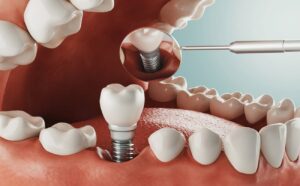
- Placement: A small post made of titanium is surgically implanted into the jawbone.
- Healing period: Over a few months, the implant fuses with the bone in a process known as osseointegration.
- Abutment and crown: Once healed, an abutment is attached to the implant followed by a custom crown to complete the restoration.
Post-Operative Care and Preventing Infection
Keeping the area clean, avoiding hard foods in the early days, and taking any prescribed medications as directed are essential to healing. Signs of infection such as pain, swelling, or discharge should be addressed promptly with your dentist.
Maintaining Your Implants
Implants require the same care as your natural teeth. Brushing twice daily, flossing, and attending routine dental check-ups are key. Using specialised brushes or water flossers may help clean around the implant more effectively.
Are You a Candidate for Dental Implants?
Most healthy adults are suitable candidates. Ideal conditions include healthy gums, strong jawbone density, and no underlying oral health issues such as gum disease. Even those with bone loss may still qualify through bone grafts or alternative techniques.
Schedule Your Consultation Today
Call to Action: Ready to replace your missing teeth with a permanent, natural-looking solution? Schedule a consultation to find out if dental implants are right for you. A better smile starts today!
FAQs
How do I know if I’m a candidate for dental implants?
A consultation including imaging and oral health assessment is necessary. Most people in good health with adequate jawbone are suitable.
What does the dental implant procedure involve?
The placement of a titanium post, followed by a healing period and the attachment of a crown. It’s often a multi-step process across several months.
Is the implant procedure painful?
Most patients report minimal discomfort. Local anaesthesia is used, and any soreness after the procedure is usually manageable with over-the-counter pain relief.
How long do dental implants last?
With proper care, dental implants can last 20 years or more — often a lifetime.
What if I have bone loss in my jaw?
Bone grafting or alternative implant types may still make implantation possible. Your dentist will assess your condition during the initial evaluation.