Dental Implants: What You Need to Know
If you’re missing teeth, dental implants can offer a long-lasting, natural-looking solution. Despite their benefits, many myths persist, leading to confusion. Let’s set the record straight and provide you with the facts to make well-informed decisions about your oral health.
6 Common Myths About Dental Implants Debunked
Myth #1: Dental Implants Often Fail
This myth couldn’t be further from the truth. Dental implants boast a success rate of over 95% when performed by experienced professionals and with proper patient aftercare. Long-term success depends on good oral hygiene and regular check-ups.
Myth #2: Dental Implants Are Only for the Elderly
Dental implants are suitable for adults of all ages, not just seniors. Whether you’ve lost a tooth due to injury, decay, or gum disease, you may be a good candidate regardless of age, provided you’re in good overall health.
Myth #3: Getting Dental Implants Is Painful and Invasive
While implant placement is a surgical procedure, advances in modern anaesthesia and guided techniques have made it minimally invasive and relatively painless. Most patients report minor discomfort for a few days post-procedure, often less than what’s experienced during tooth extractions.
Myth #4: Dental Implants Look and Feel Unnatural
Implants are designed and customised to match the colour, size, and shape of your natural teeth. Once healed, they feel and function just like your own teeth—so much so that many patients forget which teeth are implants!
Myth #5: You Need Perfect Oral Health and Bone to Qualify
While good oral health does help, patients with bone loss or gum disease can often still receive implants. Procedures like bone grafting or tissue regeneration can help prepare your mouth for successful implant placement.
Myth #6: Dental Implants Are Too Expensive
Upfront, implants may seem costly. However, their durability and low maintenance often make them more cost-effective than bridges or dentures in the long run. They also help preserve bone and prevent future dental issues, which can save money over time.
Debunking Other Widespread Myths
Dental Implants Are Permanent
While not technically permanent, dental implants are designed to last decades with proper care. They are one of the most durable tooth replacement options available today.
Implants Can Be Removed Without Surgery
This is incorrect. Implants are surgically placed into your jawbone and integrate with the bone over time. Removal, if necessary, is only done through a professional surgical procedure.
No Anaesthesia Is Needed for Dental Implants
Anaesthesia is typically used during implant placement to ensure the process is pain-free. Depending on your level of anxiety and the complexity of the procedure, your dentist may recommend local anaesthesia, sedation, or general anaesthesia.
Dental Implants Require No Special Care
While they don’t require any special tools, implants still need regular brushing, flossing, and dental visits—just like your natural teeth. Good oral hygiene is crucial to avoid complications.
The Real Benefits of Dental Implants Over Bridges
Unlike bridges, which rely on adjoining teeth for support, implants don’t affect neighbouring healthy teeth. They stimulate the jawbone just like natural tooth roots, preventing bone loss and maintaining your natural facial structure. Bridges may last 10–15 years, but implants can last a lifetime with care.
How Much Do Dental Implants Cost?
Costs can vary based on your location, requirements, and whether additional procedures (like bone grafts) are needed. While it’s an investment, remember that choosing quality care offers long-term savings by reducing the need for future dental repairs.
How Long Do Dental Implants Last?
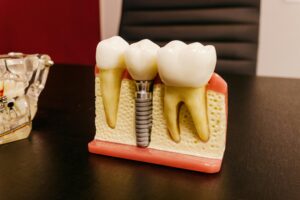
With proper care, implants can last for life. The crown, which sits above the gum line, may need replacement after 10–15 years depending on wear and tear, but the implant screw itself is designed for longevity.
Are Dental Implants Right for You?
Implants are a viable option for most adults missing one or more teeth. A full evaluation including your medical history, oral health condition, and bone density is essential to determine whether you’re a suitable candidate.
The Importance of Choosing an Experienced Oral Surgeon
Your oral surgeon’s training and experience play a significant role in the success of your dental implant procedure. Look for clinics that offer personalised treatment plans and use the latest dental technology to ensure the best outcome.
Scaling and Root Planing: Preparation for Implant Success
For patients suffering from early gum disease, treatments such as scaling and root planing may be required before implants can be placed. These procedures clean infected surfaces of the teeth and encourage healthy gum reattachment.
The Benefits of Sedation Options Like Nitrous Oxide
For nervous patients, sedation dentistry—such as nitrous oxide—can make implant procedures much more comfortable. It helps reduce anxiety, makes time pass more quickly, and ensures a stress-free experience.
Call to Action: Considering dental implants? Book a consultation today to speak with our experienced team and learn how implants can improve your health, confidence, and smile.
FAQs
How painful is a dental implant procedure?
The procedure is generally pain-free thanks to modern anaesthesia. You may feel mild discomfort afterwards, which is typically manageable with over-the-counter painkillers.
How long does it take to get a dental implant?
The full process—from consultation to final crown—can take several months, especially if bone grafting is needed. However, the investment of time is worth it for a permanent solution.
Can smokers get dental implants?
Yes, though smoking does increase the risk of implant failure. Smokers considering implants should discuss risks and smoking cessation options with their dental provider.
What can I eat after getting dental implants?
Stick to soft foods for a few days immediately after surgery. As healing progresses, you’ll be able to return to a normal diet, enjoying more food choices than those with dentures.
Is it possible to get implants after having dentures for years?
Yes. Even long-time denture wearers can receive implants. A bone graft may be required if significant bone loss has occurred over time.